

 Malta
Malta
Valletta: the ultimate city guide (25 things to do and local secrets for your 2026 trip)
Valletta is small and I’ve visited this city many times before, but Malta’s capital never ceases to amaze me. For a city trip in 2026, everything seems to fall into place: from the beautifully restored palaces to the laid-back atmosphere in the narrow side streets. In this Valletta city guide, I’ll share 25 things to do – including my personal hidden gems – for a trip that truly sticks with you.
Valletta quick guide 2026
| ☀️ Best time to visit | Spring and autumn (May, June, and September are my favorites) |
| ⏳ Recommended stay | 2 to 3 days (ideal for a city break or a Malta start) |
| 💶 Currency | Euro (card payments are accepted almost everywhere) |
| 🗣️ Language | Maltese and English |
| ✈️ How to get there | Fly into Malta International Airport (MLA), then a 20-min taxi to Valletta |
| 🎟️ Travel hack | Book your cathedral tickets in advance, the crowds are real! |
- 🛌 Where to stay in: the guide per budget
- 🏛️ Culture & history: in the footsteps of the knights
- 1. St. John’s Co-Cathedral: gold and Flemish tapestries
- 2. The Grandmaster’s Palace: the knights are back
- 3. Casa Rocca Piccola: visiting the nobility
- 4. Underground Valletta: wandering through the tunnel system
- 5. Manoel Theatre: one of the oldest in Europe
- 6. Lascaris War Rooms: hiding out with the navy
- 🌿 Parks & viewpoints
- 🚶♂️ Vibe, wandering & discovering: the soul of the city
- 11. Getting lost in the streets: stairs and gallarijas
- 12. The art of peeking: Maltese balconies
- 13. British vibes: red phone booths and royal mailboxes
- 14.Strait Street: from notorious sailors’ district to hip axis
- 15.The stairs of Valletta: Instagram spots and hidden corners
- 16. City Gate & Parliament: a modern masterpiece
- 17. MUŻA & the 2026 Biennale: contemporary art
- 🍴 Gastronomy & drinks: from cocktails and pastizzi to Michelin stars
- 🍸 Nightlife in the city
- 🚢 Outside the city walls: favorite excursions
- ⓘ Practical: planning your Valletta city trip (2026 update)
- 💬 Frequently Asked Questions (and my honest answers)
- ⭐ Finally: why Valletta belongs on your list
🛌 Where to stay in: the guide per budget
Valletta is essentially an open-air museum, but one where you’ll stumble upon the trendiest boutique hotels at every corner. Whether you want to bathe in 16th-century luxury or you’re looking for a smart budget spot that doesn’t skimp on style: these are the places I’d bet my life on in 2026.
1. My personal favorite: The Saint John
We stayed in this 19th-century townhouse and were immediately sold on its rugged, industrial ‘urban feel’. It’s luxury without the stiffness. At The Saint John, you’re right in the heart of the action, but the moment you close your room door, the city’s hustle and bustle completely fades away.
- Smart move: The rooms have a fantastic retro vibe and the breakfast is exactly what you need before tackling those infamous Valletta stairs.stayed in this 19th-century townhouse and were immediately sold on its cool, industrial ‘urban feel’. It offers luxury without being stiff. At The Saint John you are right in the center, but as soon as you close your room door, the city noise disappears completely.

2. High-end luxury: pure opulence
For those who want the ‘full experience’ and wish to stay in the most exclusive spots of the capital.
- Iniala Harbour House: The city’s most exclusive address. The view over the Grand Harbour is nothing short of spectacular. It comes with a hefty price tag, but for a special occasion in 2026, you won’t find anything better.
- Rosselli – AX Privilege: Located in a stunning palazzo on Merchant Street. It’s sexy, chic, and home to the Michelin-starred restaurant Under Grain.
- The Phoenicia Malta: An iconic hotel just outside the city gates. The infinity pool overlooking the harbor walls is legendary.
2. Boutique & character: the sweet spot
The perfect balance between history, modern comfort, and that typical Valletta vibe.
- The Embassy Valletta Hotel: Elegance combined with an amazing rooftop terrace. My tip: book a room on a higher floor for that golden morning light over the city domes.
- 66 Saint Paul’s & Spa: A beautifully restored building with a delightful spa in the cellar. Ideal for de-stressing after a day of wandering.
- Ursulino Valletta: A small-scale boutique hotel with a phenomenal rooftop for breakfast. Very intimate and personal.
3. Budget gems: stylish & affordable
Valletta can be pricey, but these spots prove that style doesn’t always have to cost a fortune.
- 24 Rooms: Sleek, minimalist design in a prime location near the best bars on Strait Street.
- Grand Harbour Hotel: A bit more traditional, but the rooftop terrace offers a million-dollar view for a fraction of the price.
- Osborne Hotel: A classic with a modern interior, situated on one of the highest points of the city (very handy for avoiding too many stairs!).
4. Living like a local: charming apartments
For those who prefer to brew their own coffee or sit on a typical Maltese balcony in the evening.
- Valletta Vintage: Studios designed by architects. A lovely mix of vintage furniture and modern art.
- Lucia Nova: A historic building in a quiet side street featuring that iconic wooden ‘gallarija’.
- Paulos Valletta: Luxury serviced apartments. You get the space of your own place with the service of a hotel.
5. Tip: across the water
The ferry connection between Valletta and the surrounding cities is faster than ever. Across the water, you often get more space for your budget.
- Land’s End Boutique Hotel (Sliema): Hyper-modern and right across from the ferry terminal. The view of the Valletta skyline is unbeatable.
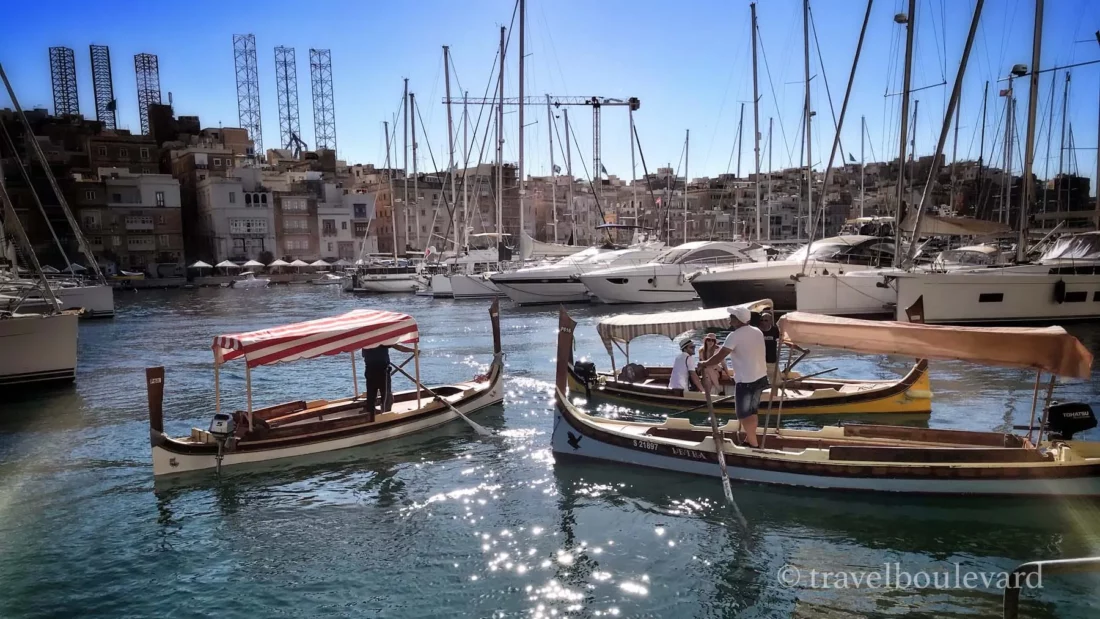
- Cugó Gran Macina (Senglea): Stay in an old fortress in Senglea. Take the traditional wooden dgħajsa (water taxi) to cross the harbor; it’s pure bliss!
👉 Book now? Besides my favorites above, there are of course dozens of other options in and around Valletta. Just know that the nicest hotels and apartments book up quickly, especially in the car-free side streets. Feel free to use the interactive map below or click the link for the full overview of the best deals.
🏛️ Culture & history: in the footsteps of the knights
Malta, the Mediterranean island nation located south of Sicily, is one of the smallest countries in Europe and logically, Valletta is a capital in pocket format. With barely 7,000 inhabitants and an area of 55 hectares (1 kilometer by 600 meters), Valletta is a true Lilliputian among European capitals. But make no mistake: the city boasts a particularly rich history (Valletta prides itself on being one of the most concentrated historical sites in the world), the architecture is stunning and the city life is vibrant.
Valletta was founded in the 16th century by the Knights of St. John and was intended as a refuge for the knights returning from the crusades. The knights decided that Valletta should be “a city built by gentlemen for gentlemen”, and they certainly succeeded in that goal: the city is a gem. You’ll stumble over grandiose palaces and churches, beautiful houses with stately balconies and atmospheric squares. It’s no wonder the city is a Unesco World Heritage site.
1. St. John’s Co-Cathedral: gold and Flemish tapestries
Don’t let the sober exterior fool you. Inside, it’s one big golden chaos. It’s the over-the-top version of a church where the knights shamelessly flaunted their wealth. It looks like a baroque explosion on steroids and is an absolute must-see, even if you’re not usually a “church-goer”. The knights of the Order of Malta spared no expense or effort to display their riches here.
I was personally mesmerized by the intricate marble floor and, of course, the world-famous Flemish tapestries. It’s a bit overwhelming, but in the best way possible.


Must see: The absolute highlight is Caravaggio’s world-famous painting: The Beheading of Saint John the Baptist. Make sure to check for Caravaggio’s signature in the blood of the baptist; it’s a macabre and unique detail (it is, by the way, the only work he ever signed).
A little warning: The floor of the cathedral consists of beautifully inlaid marble tombstones of the knights. Because of this, stiletto heels are strictly forbidden to prevent damaging the floor. Did you wear them anyway? Then you’ll have to pull those charming plastic slippers over your shoes. It’s a terrible look for your photos, so consider yourself warned.

💡 My tip: Don’t go in the morning right when the cruise ships have just offloaded their passengers. I went back around 15:30 and was able to walk in almost without a queue. Either way, buy your tickets online in advance; waiting in the scorching sun is really no fun at all.
🔄 Travel update: It took a while, but the cathedral’s renovated museum is now the place to truly understand Malta’s ‘golden age’. The stars of the show are the 29 gigantic Flemish tapestries. After a massive restoration in Belgium, they are finally back ‘home’. Even if antique textiles aren’t exactly your thing, the scale on which these works are presented is impressive. You’re literally walking through a sea of color and gold.
🕵️ Insider tip: Your ticket for the cathedral also gives you access to the museum, so don’t just walk past it. Plus, it’s the perfect spot to escape the midday heat, as the climate control for the tapestries keeps the rooms wonderfully cool.
📍 Check the official website for current opening hours.
👉 Don’t feel like waiting in the scorching sun? Book a guided walking tour of Valletta here, including skip-the-line tickets and other cool excursions.
2. The Grandmaster’s Palace: the knights are back
After a massive restoration that took years, the Grandmaster’s Palace is finally fully accessible again. This was once the nerve center of the knights, and You can still feel that history in every room.
💡 Fun fact: The State Rooms are stunning, but make sure to look down at the floors too. The marble patterns are incredibly detailed and often tell a story of their own.
✨ Why it’s a must: The Armoury is one of the largest in the world. Even if You’re not a history buff, the sheer scale of all those suits of armor and swords is impressive. It feels as if the knights could step back into their armor at any moment.
🕵️ Tip: Keep an eye on the flag on the roof. If the Maltese flag is flying, the president is at work. The palace is still used today for official state visits and ceremonies.

📍 This is where you’ll find the Grand Master’s Palace on Google Maps
3. Casa Rocca Piccola: visiting the nobility
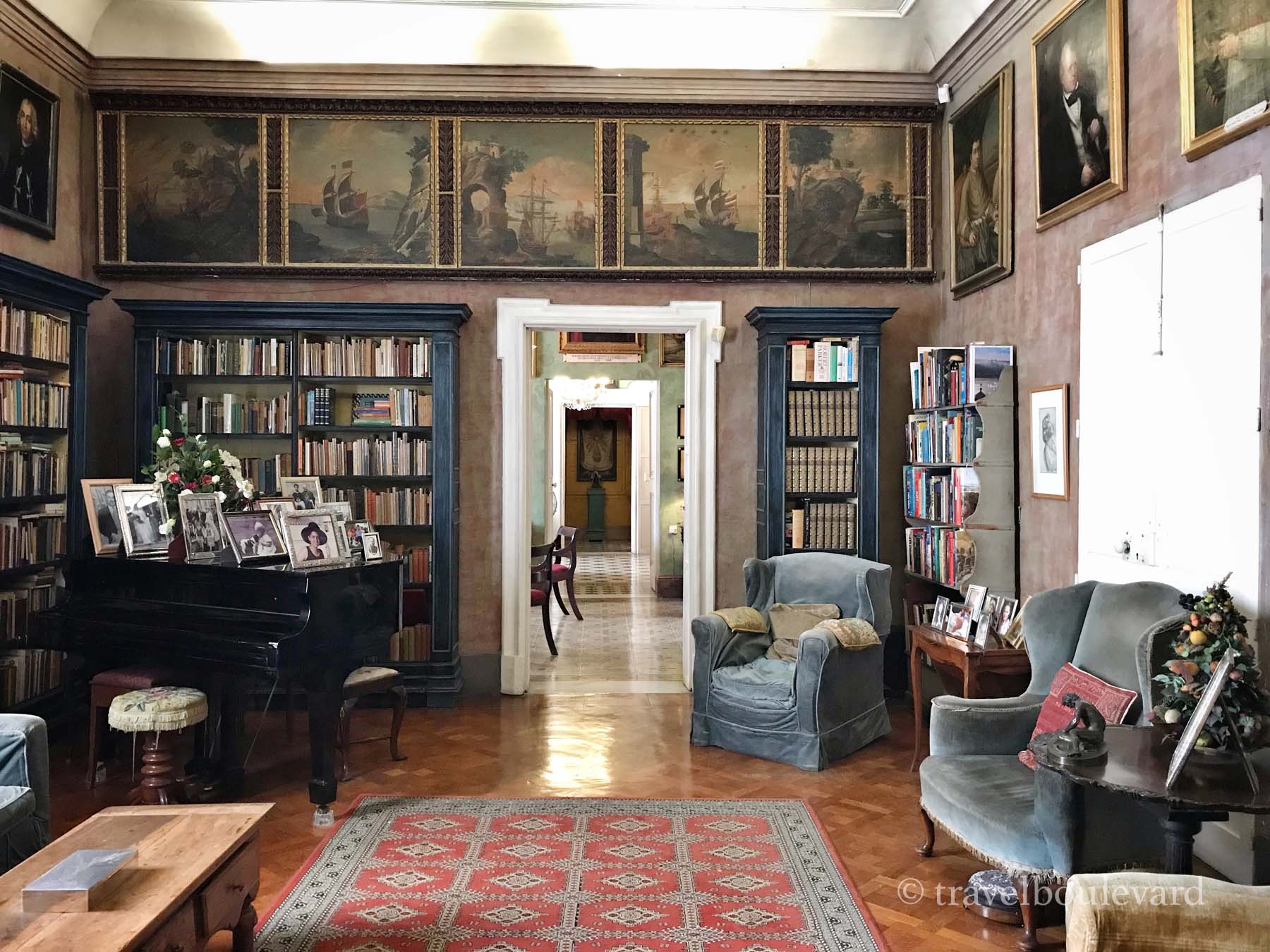
Ever wanted to know how the Maltese nobility actually lives? At Casa Rocca Piccola, a marquis still opens the doors of his 16th-century palace. It’s not a dusty museum, but a lived-in home full of personal photos, antiques, and… a world war II bomb shelter.
💡 My tip: The tours are often given by family members or passionate guides who love to gossip about the history of the Maltese elite. It’s much more fun than a standard audio guide!
🦜 Fun fact: The garden is a tiny oasis in this city of stone. Keep an eye out for the parrot flying around; he’s pretty much the unofficial guardian of the house.
📍 Visit their website for more information.
4. Underground Valletta: wandering through the tunnel system
Beneath the chic boutiques and cobblestones of Valletta lies a dark secret: a giant network of tunnels. The knights dug them for their water supply, but during world war II, they became the shelter for thousands of Maltese while bombs fell over their heads.
⛓️ The reality check: It’s damp, a bit claustrophobic, and the history here really grabs you by the throat. You can still see the niches where people slept and the small altars they carved into the rocks.
👟 A little life-saver: Leave your flip-flops or heels in your hotel room! Closed shoes are mandatory, otherwise you won’t even be allowed down the stairs. It’s slippery and uneven, so be prepared.
📍 Underground Valletta on Google Maps – View their website here.
5. Manoel Theatre: one of the oldest in Europe
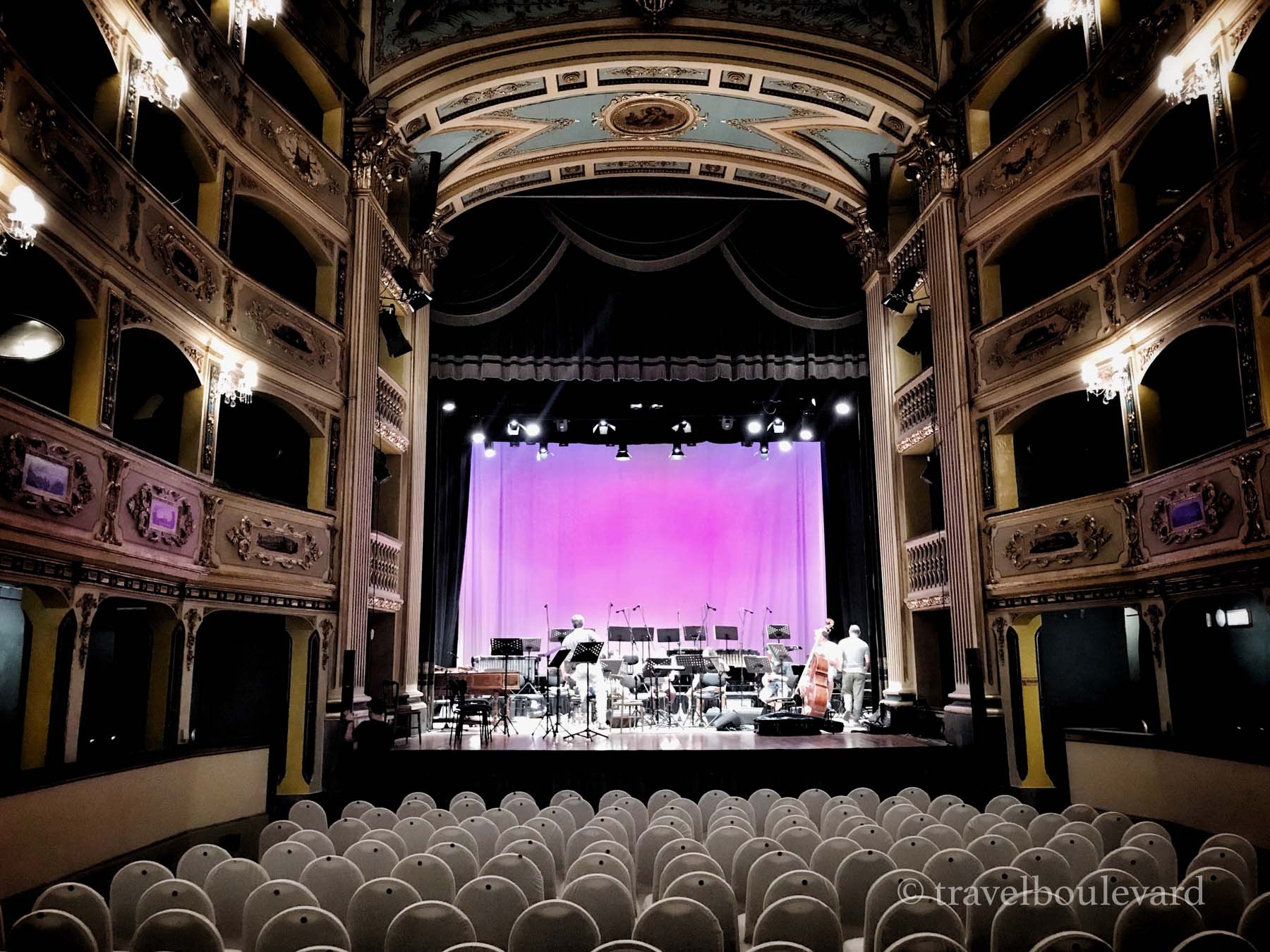
This theatre from 1731 is small, but incredibly beautiful. It is one of the oldest working theatres in Europe and was built so that the knights wouldn’t get bored (and hopefully stayed out of trouble in Strait Street).
🕵️ Insider tip: Check the calendar! In 2026, there are often evening performances that are surprisingly affordable. Nothing beats an evening of culture in a hall where the knights used to sit and gossip as well.
✨ Our experience: Even if you’re not an opera fan, a short tour of the building is worth it. The acoustics are so good that you can hear a pin drop on the stage.
6. Lascaris War Rooms: hiding out with the navy
Deep beneath the Upper Barrakka Gardens lies a place that will give You the chills. The Lascaris War Rooms were the secret headquarters from which the defense of Malta and the invasion of Sicily (Operation Husky) were led during world war II.
💡 My opinion: Even if you’re not a history freak, this is impressive. You can still see the original maps, telephones, and plotting tables exactly as they were left in 1943.
🎟️ Smart move: Combine this with watching the Saluting Battery (the cannon fire at 12:00 and 16:00). In 2026, You can often buy combo tickets for both locations.
🧥 A little life-saver: It is a constant 18 to 20 degrees down there. Wonderful when it’s 35 degrees outside, but bring a light scarf if you’re sensitive to the temperature difference. onder de Upper Barrakka Gardens ligt een plek die je rillingen bezorgt. De Lascaris War Rooms waren het geheime hoofdkwartier van waaruit de verdediging van Malta en de invasie van Sicilië (SVP) werd geleid tijdens WOII.
🌿 Parks & viewpoints
7. Upper Barrakka Gardens: the most beautiful balcony of the Mediterranean

I really believe this is the spot where you’ll take your best photos of the trip. The Upper Barrakka Gardens offer a breathtaking panoramic view of the Grand Harbour and the “Three Cities” (Senglea, Vittoriosa, and Cospicua) across the water. It’s the perfect place to just sit on a bench and watch the giant cruise ships or small traditional boats glide by.

- 🏛️ Fun fact: The arches you see were originally built as a private exercise ground for the Italian knights. It wasn’t until 1800 that the gardens were opened to the public.
- 💥 Cannon moment: Every day at 12:00 and 16:00, they fire the cannons below (the Saluting Battery), a tradition that has been going on for centuries. Touristy? Absolutely. But that noise echoing over the deep harbor remains impressive.
- 💡 My tip: Go there around 16:00. (usually) a bit quieter then, and the light on the honey-colored walls is much warmer for your photos than during the midday sun.
- ✨ Insider tip: There is a small kiosk in the garden where you can get a coffee or a pastizzi. It’s not the cheapest snack in town, but the view makes it taste like a five-star meal.
- ⛵ Must do: This is the ideal starting point for a harbor cruise in a traditional boat.
- 🤫 Extra tip: Are you looking for true peace and quiet without the cannon-tourists? Then walk to the Hastings Gardens on the other side of the city gate. They are less well-known, but you’ll have a great view of the harbor of Floriana and Sliema.
- 📍 Upper Barrakka Gardens on Google Maps
8. Lower Barrakka Gardens: peace and a touch of Greece
While everyone is crowding at the Upper Barrakka, I often walk on to the Lower Barrakka Gardens. It’s a lot quieter here and greener. Right in the center, you’ll find a surprising monument that looks like a miniature Greek temple (it’s actually a memorial to Sir Alexander Ball).
✨ The vibe: This used to be the spot where the knights retreated for some real privacy. Today, it’s the ideal place to sit on a bench with a book (or your camera) among the hibiscus flowers, with a spectacular view of the harbor entrance.
💡 Tip: Look out over the harbor at the huge breakwater. In stormy weather, the waves crash meters high against it—an impressive spectacle that you can watch safely from here.
🔔 Chills: After your garden break, walk just across the street to the Siege Bell Memorial. When the massive bell rings (every day at 12:00 in memory of those who fell in world war II), you can feel the vibrations through your entire body.
📍 Lower Barrakka Gardens on Google Maps
🎟️ Ticket: Fancy a walking tour with guide in Valleta? These kind of tours are very popular. Make sure to book your ticket a few days in advance.

9. Triton Fountain: nostalgic glory

The Triton Fountain is the undisputed landmark at the entrance of the city. Today, it’s a stately, car-free gateway, but ask a local about this square and they’ll tell you about the time when this was the true “hub” of the island.
🚌 Nostalgia: Until a few years ago, the iconic yellow buses rattled right up to the foot of the fountain. It was a charming chaos of exhaust fumes, passengers, and stalls. With the arrival of the new city gate, this 1959 fountain has finally been restored to its full glory.
🏛️ Artistic touch: The fountain was designed by the Maltese sculptor Vincent Apap. It is one of the most photographed spots in the city, especially in the evening when the lighting gives the water jets and the bronze Tritons a magical glow.
💡 My tip: Don’t just rush past it to get into the city. Take a moment to walk around it. The square is often the stage for small street performances or seasonal markets that are worth a quick look.
📍Triton Fountain on Google Maps
10. Valletta Design Cluster: the secret rooftop garden
Housed in a beautifully restored building (the old Biċċerija), you’ll now find a creative hub here. But the real reason you should come here is hidden on the roof.
- 🌿 My favorite corner: Valletta is stunning, but very stony. The public rooftop garden of the Design Cluster is one of the few places where you can sit among the greenery with an amazing view over the lower streets and the harbor.
- ✨ The vibe: It is wonderfully quiet here. It’s the perfect spot to escape the hustle and bustle of Republic Street for a moment. Plus, access is completely free.
- 💡 Traveler tip: Take the elevator or the stairs all the way to the top. Many people think the building is only for workers or students, but I can assure you: everyone is welcome to enjoy the garden. favoriete hoekje: Valletta is prachtig, maar erg stenig. De openbare daktuin van het Design Cluster is een van de weinige plekken waar je tussen het groen kunt zitten met een waanzinnig uitzicht over de lager gelegen straatjes en de haven.
- 📍 Valletta Design Cluster on Google Maps
🚶♂️ Vibe, wandering & discovering: the soul of the city
To really get to know Valletta, you have to do more than just check off the highlights. I always say: get lost. Put your map away and dive into the narrow side streets where the laundry still hangs between the balconies and the smell of fresh coffee meets you at every corner.
11. Getting lost in the streets: stairs and gallarijas
Valletta isn’t a city that grew by accident; it was designed in the 16th century on a drawing board by Francesco Laparelli (the pope’s architect). His genius move? A tight grid pattern that allows the sea breeze to blow through the streets at all times (the 16th-century version of air conditioning). So you can’t really get lost, and the best spots are found by simply diving into the steep side streets.
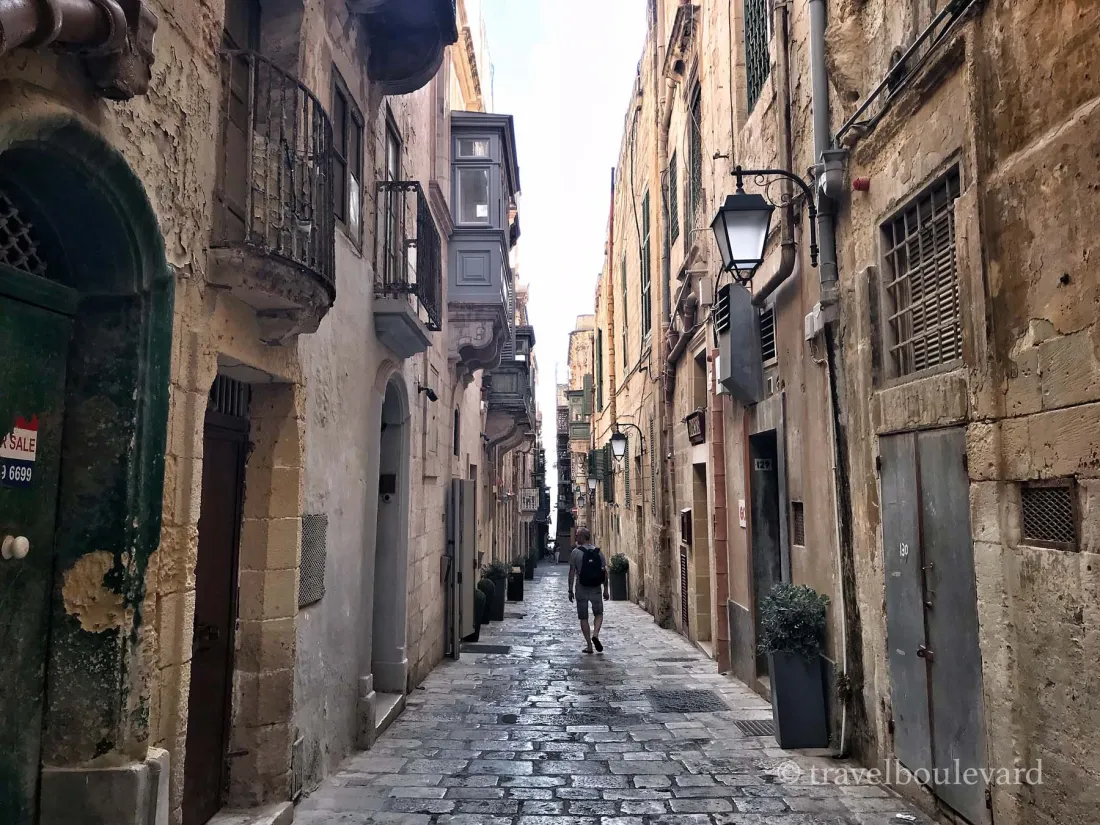
📸 The Instagram spot: St. Lucia’s Street. The steps decorated with cushions and plants are beautiful. As a result, you’ll often find yourself waiting in an “Instagram queue” here.
💡 My tip: Head for the narrow side streets around noon. Because of the tall buildings and the clever orientation, they are almost always in the shade, while the main streets are baking in the sun.
📍 St. Lucia’s Street on Google Maps
12. The art of peeking: Maltese balconies
You can’t visit Valletta without looking up at the gallarijas. These colorful wooden balconies are the ultimate symbol of Malta. Originally, they came from the Arabic world (Muxrabija), designed so that women could peek outside without being seen.
- 📜 Fun fact: In the past, it was simple: the larger and more extravagant your balcony, the bigger your wallet. Today, they are mostly a nightmare to maintain, but they make the city truly unique.
- 💡 My tip: For the most beautiful row of balconies (perfect for that one Instagram photo), you should walk to the lower streets of Valletta, away from the shops. There, the laundry still hangs outside and you can still see the “Nannas” (Maltese grandmothers) keeping an eye on the street from behind their windows.

13. British vibes: red phone booths and royal mailboxes
It’s a bizarre sight: baroque palaces, swaying palm trees, and then… a bright red British phone booth. You can tell by everything that the British ruled the roost here for 160 years. From driving on the left to street names like Republic Street and Merchants Street: Valletta sometimes feels a bit like London, but with decent sunshine and better coffee.
📸 Seen & tested: Those red phone booths on Republic Street are still the place for a selfie. They have almost gone extinct in England, but here they are a permanent part of the scenery.
🕵️ Insider tip: Pay attention to the mailboxes as well. They still bear the initials of British kings and queens (like the ‘ER’ for Elizabeth). By the way, you can just drop your postcards in them; they are still in use!
📍 Score a selfie at the red phone booths on Republic Street

14.Strait Street: from notorious sailors’ district to hip axis
If these walls could talk, they would blush. In the past, Strait Street (or Strada Stretta) was the place where sailors squandered their money on cheap drinks and questionable company. Today, it is still the place for a pint or a good wine, but without the brawls and brothels.
- 🎷 The vibe: The atmosphere is a mix between Berlin’s Kreuzberg and London’s Soho. You’ll now find great wine bars and jazz cafes here.
- 🍷 Insider tip: Go there after 20:00 when the live music echoes from the open doors. It is much more atmospheric (and less touristy) than on the big squares.
- 💡 My favorite detail: Look for the old bar signs that are still hanging there. They are silent witnesses to the time when this was the wild heart of the Mediterranean.
- 📍 Strait Street on Google Maps
15.The stairs of Valletta: Instagram spots and hidden corners
Valletta is built on a hill (the Sciberras hill), and your calf muscles will definitely feel it. The city is full of photogenic stairs connecting the higher streets with the quays. They are not just practical, but also incredibly atmospheric.
- 📸 Highly recommended: The stairs of St. Lucia’s Street are a must visit. They are decorated with flowers, lights, or seasonal ornaments depending on the time of year. It is the ultimate spot for that one iconic Valletta photo.
- 🤫 My favorite spot: Do you want to avoid the crowds? Look for the stairs leading down to the Marsamxett Harbour (on the side of the ferry to Sliema). It’s a lot quieter here and you have a beautiful view of the fort on Manoel Island.
- 🍷 How to: In the evening, grab a seat on the steps of one of the many wine bars in Bridge Street. This is the place where locals and travelers gather. You order a glass of Maltese wine, get a cushion to sit on, and enjoy the live jazz that often echoes from the nearby bars (especially on Fridays).
- 📍 The Bridge Bar on Google Maps

👉Ready for the full story? These walking tour are the best way to peel back the layers of Malta’s capital. Since they’re quite popular, booking in advance is a must. sure to book in advance, these are very popular.
16. City Gate & Parliament: a modern masterpiece
As soon as you walk into the city, you are greeted by the sleek, modern architecture of Renzo Piano (the man behind Centre Pompidou in Paris). The new Parliament building looks like a giant cheese with holes, but made from beautiful Maltese limestone.
- 🗣️ To be honest: Many locals weren’t fans at first, seeing these modern blocks amidst the baroque splendor. But by now, it has become the ultimate meeting point of the city.
- 🎭 Insider tip: Sit on the wide steps of the Royal Opera House (the ruin next to the Parliament that is now an open-air theater). It is the best place for people-watching while the sun slowly sinks behind the city gate.
- 📍Parliment building on Google Maps
- 📍 Find your spot on the steps of the Royal Opera House ruins

17. MUŻA & the 2026 Biennale: contemporary art
MUŻA is the national museum of fine arts, housed in the former Auberge d’Italie. It’s not a dusty museum, but a place where the knights of the past meet the artists of today.
- 🎨 Not to be missed: Between March and May 2026, MUŻA is the beating heart of the Malta Biennale. The city is filled with impressive installations that will completely change your perspective on the island’s history.
- ✨ My tip: Even if you don’t feel like visiting the museum, just walk into the courtyard. The restaurant located there is a hidden gem for a stylish lunch among the historical arches. It’s cool and the atmosphere is fantastic.
- 👉 Pro tip: If you want a guide to tell you the stories behind the facades, take a look at these walking tours. te missen: In 2026 (maart t.e.m. mei) is MUŻA het kloppend hart van de Malta Biënnale. De stad staat dan vol met indrukwekkende installaties die je blik op de historie van het eiland volledig veranderen.
- 📍MUŻA on Google Maps – more information about the Malta Biënnale here.
🍴 Gastronomy & drinks: from cocktails and pastizzi to Michelin stars
18. Caffe Cordina: coffee with a historical edge
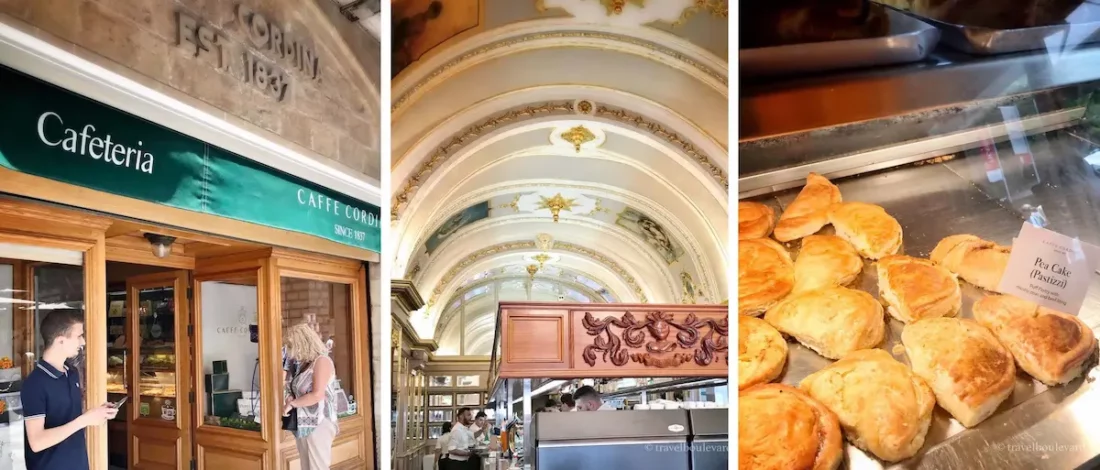
You can’t visit Valletta without stepping across the threshold of Caffe Cordina at least once. This legendary establishment on Republic Square has been around since 1837 and is a true institution. Whether you are a local quickly knocking back an espresso at the bar or a traveler wanting to settle in for some serious people-watching: this is the place to be.
📜 Good to know: Prices on the terrace are slightly higher than at the bar inside, but the view of the hustle and bustle on Republic Street comes for free. It’s the perfect spot to escape the sun under the large umbrellas.
✨ The vibe: Despite its popularity, Cordina has managed to preserve its soul. The interior with its impressive vaulted ceiling and baroque chandeliers, combined with waiters in sharp suits, is pure historical theater. You’ll feel like royalty for a moment.
☕ My opinion: Inside, it can often be a beehive of waiters and busy customers. I prefer finding a spot on the enormous terrace on the square, which is the best place to feel the pulse of the city.
🍰 Delicious: Order a Kwareżimal (a traditional Maltese almond pastry) or go for their famous ice cream.
📍 Caffe Cordina on Republic Street – click here for their website.
19. Is-Suq tal-Belt: the food market for every craving
Hungry from all that walking? This 19th-century indoor market has been completely transformed into a hip food hall. Think of the Mercado de San Miguel in Madrid, but with a Maltese twist.
🍕 Why it works: Whether you’re in the mood for fresh pasta, a good burger of pizza, or typical Maltese fenkata (rabbit): you’ll find it all under one roof. It is ideal if you’re traveling with a group and everyone wants something different.
🛒 Seen & tested: In the basement, you’ll find a great supermarket with local products. I always stock up here on Maltese honey, capers, and Kinnie (the local soft drink) to take home.
📍 Is-Suq tal-Belt on Google Maps
20. Fine dining: why Valletta is now a city of stars
Anyone who visited Valletta ten years ago mostly found tourist menus and greasy snacks. Today, things are completely different. The city has become a culinary powerhouse where Michelin stars are everywhere you look.
- ✨ The vibe: The focus has shifted to ‘farm-to-table’ with a Maltese twist. Young chefs use local ingredients like rabbit, red mullet, and honey in ways you never thought possible.
- 🍷 Seen & tested: My absolute recommendation is ION Harbour by Simon Rogan. You’ll sit on the top floor of the Iniala Harbour House, overlooking the illuminated boats in the harbor while enjoying world-class dishes. It’s the perfect blend of local products and modern techniques.
- 💬 My opinion: Yes, it is pricey. But if you want to dine just once in your life with a view that deserves a ten out of ten, this is the place. In 2026, make sure to book at least three weeks in advance, as the waiting lists are legendary.
- 📍 ION Harbour on Google Maps – view the website for more information and menu.
🎁 Bonus tip: dissecting Valletta’s food scene
If you like discovering a city through your taste buds as much as I do, then a food tour in Valletta is an absolute must. During this walk, you’ll head into the side streets for the real deal. You get to know the city while you eat, which in my opinion is the only right way (book early because they often sell out).
👉 Check the available dates for the food tour here (2026).
🍸 Nightlife in the city
22. Speakeasies & jazz
Valletta swaps the neon lights of St. Julian’s for dimmed lanterns, hidden doors, and a hint of mystery.
🕵️ The Speakeasy trend: Currently, Valletta is all about finding the right door in an inconspicuous side street. Sometimes you have to ring a bell or even know a password (subtly ask your hotel receptionist!).
🤫 My favorite hidden spots:
33 Steps (cocktails & mystery) Located at Triq San Gwann 33. As the name suggests, you’ll find this bar tucked away on one of the iconic stair streets. It’s small, dark, and exactly what you expect from a speakeasy. The menu changes often, but their infusions with local Maltese herbs are always a hit. It’s the perfect place to escape the hustle and bustle of Republic Street. 📍 Discover 33 Steps on Google Maps.
The “Blue Lamp” Ask a local in Strait Street for the “secret door with the blue lamp.” That’s all I’m saying! 😉
Café Society (the ‘vibe’ master) Near the stairs to the harbor (Triq San Gwann 13), you’ll find the place where Valletta’s creative scene gathers. The cocktails are works of art and the atmosphere is always relaxed. In 2026, they play the best vinyl-only DJ sets here. Prefer sitting outside? Just grab a cushion and take a seat on the steps in front of the door. That is Valletta at its best. 📍Café Society on Google Maps.
🎷 The ultimate finale: jazz at The Bridge For true enthusiasts, there is no better place than The Bridge Bar. Here, you sit literally on the city stairs listening to live music under the stars. It is the perfect end to a day in the Golden City. 📍 Listen to jazz on the steps of the Bridge Bar
22. The rooftop revolution: cocktails with a view at The Embassy
Valletta has become the city of rooftops, but the one on top of The Embassy Valletta Hotel remains my favorite.
🌅 The view: You look directly at the enormous dome of the Carmelite Church. When the bells ring and the sky turns pink, it is pure magic.
🍹 Tip: You don’t have to be a guest at the hotel to go up for a drink. Order a ‘Maltese Spritz’ and enjoy the sunset over the harbor.
✨ Travel update: They have renewed their cocktail menu with local herbs from the Mdina area. The Prickly Pear Margarita is an absolute must-try!
🚢 Outside the city walls: favorite excursions
Although Valletta is addictive, there is so much beauty just across the water, and it is easier than ever to escape the hustle and bustle for a few hours.
23. The Three Cities: the soul of Malta across the water
You can’t visit Valletta without getting out on the water. The Three Cities (Vittoriosa, Senglea, and Cospicua) are less polished than the capital and feel like the “real” Malta of the past.
⛴️ How to get there: The easiest way is the ferry departing from the base of the Upper Barrakka Gardens. In 2026, the crossing is often included in your Tallinja Card, or you can simply pay contactless at the entrance.
🛶 My favorite way: For the ultimate experience, take a Dgħajsa (the Maltese version of a gondola). For just a few euros, a local skipper will row you across. It is the most romantic way to admire the massive city walls of Valletta from the water.
✨ The vibe: While Vittoriosa (Birgu) is the chic answer to Valletta with its marina and Fort St. Angelo, Cospicua and Senglea have transformed into hip neighborhoods full of small art galleries and wine bars.
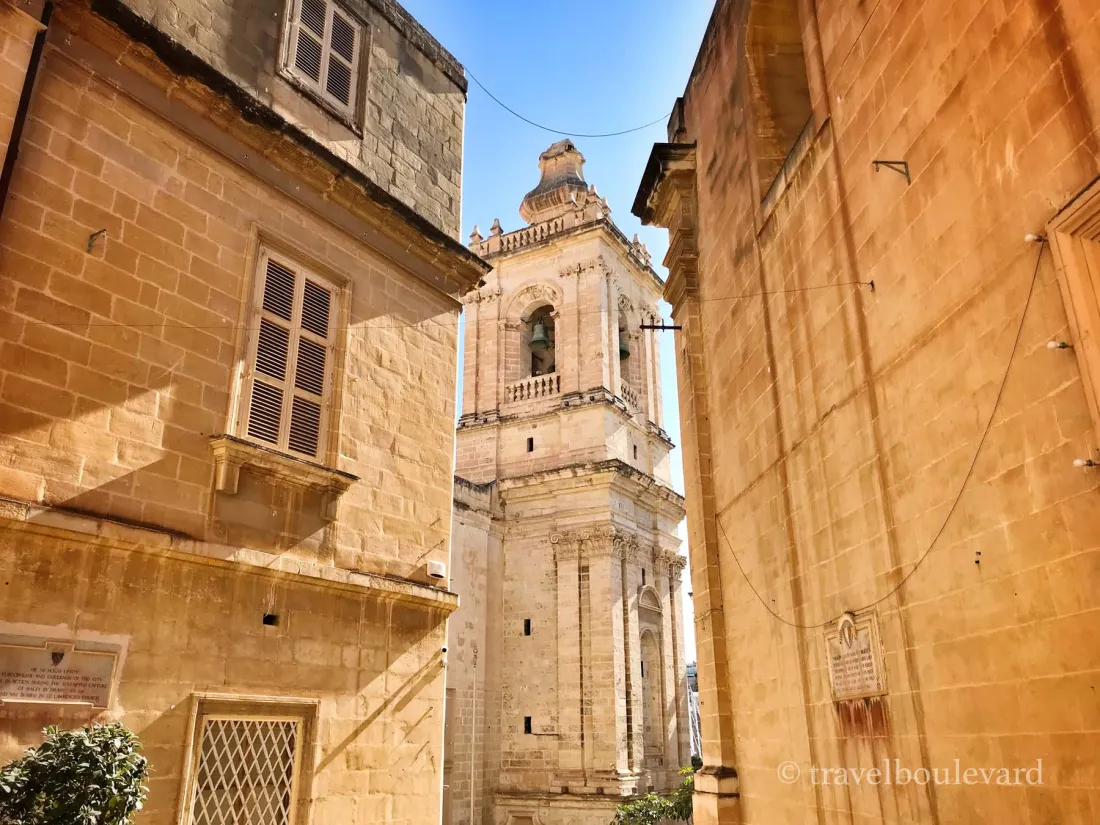
🕵️ Hidden gem: Head to the Gardjola Gardens in Senglea. There you’ll find the famous watchtower with an eye and an ear carved into it—symbols of the knights’ constant vigilance. The view over the Grand Harbour from here is a ten out of ten.
🍴 Seen & tested: For the best lunch, head to the Birgu Waterfront. Whether you settle in at a classic like Don Berto or the refined Terrone at Fort St. Angelo, the view of the superyachts is included for free.
⚡ Travel update: Nowadays the connection between the cities is even smoother thanks to new electric water taxis. They are better for the air quality and whisper-quiet.
👉 Pro tip: The harbor of Valletta is one of the most beautiful in the world, but from the quay, you only see half of it. If you want to admire the walls from the water in a relaxed way, these boat tours are classics that never disappoint.
24. Hollywood on Malta: the ultimate film set tour
It will surely strike you while wandering through the streets of Valletta: this city looks like a movie set. And it is! From Gladiator and Game of Thrones to the latest blockbusters; Malta is immensely popular with directors.
- 🎬 Setjetting: Walk toward Fort Ricasoli (near the Three Cities); the chance of seeing a film crew at work there in 2026 is almost 100%. If the cameras aren’t rolling, it’s probably Sunday or the catering truck has run out of food.
- 📍 Fort Ricasoli on Google Maps
25. Mdina: a trip to the ‘Silent City’
Although Valletta is the bustling capital today, Mdina used to hold that title. About a 20-minute drive away, you’ll find this medieval walled city, perched on the highest point of the island.

- 🚌 The reality check: During the day, it can get very crowded with day-trippers. My tip? Don’t go until late afternoon or early evening. When the buses are gone, you’ll finally understand why it’s called the ‘Silent City’.
- 🍰 Enjoy: Have a coffee with a gigantic slice of chocolate cake at Fontanella Tea Garden. The view across the entire island here is still the best you can get in 2026.
- 📸 My hidden corner: Wander away from the main street. The narrow alleys of Mdina are a labyrinth of colorful doors and blooming bougainvillea, where you can take the most beautiful photos.
- 📍 The Silent City on Google Maps
- 👉 Mdina is calling. Don’t miss out on the best spots. Book your guided tour here before they’re gone.
ⓘ Practical: planning your Valletta city trip (2026 update)
- The Valletta Ferries: The price for the crossing to the Three Cities or Sliema has been slightly adjusted to €2.80 for a return ticket (or €2.00 one way). 💡 Tip: Use your smartphone for contactless payment; it is now the standard.
- Tallinja Card: For those staying longer: the Explore Flex card is the best way to travel smoothly, including discounts on the ferry and the hip ‘Tallinja On Demand’ buses.
- St. John’s Co-Cathedral: The renovations took a long time, but the new Cathedral Museum is now fully open. The biggest draw? The unique collection of 29 restored Flemish tapestries (made in Brussels!).
- The Grandmaster’s Palace: After a massive years-long restoration, the State Rooms and the Armoury can be admired in all their glory once again. This is back to being one of the city’s absolute top attractions.
- ✅ Handy: Arrange your tickets in advance to avoid long waiting times and any hassle.
💬 Frequently Asked Questions (and my honest answers)
1. Is Malta/Valletta an expensive destination?
Overall, Malta is slightly more expensive than Greece or Sicily, but still more affordable than the French Riviera or Ibiza.
💰 The Valletta factor: Valletta is the most expensive bubble on the island. Think of it as the “London” of Malta. Here, you pay for the location, the history, and the view. For a mid-range dinner for two with wine, you should count on €80 to €100. Still, you’re in control. For an espresso at the bar, you still pay the “local” price (around €1.50), but on the trendy terraces, prices climb quickly.
2. What about the power outlets and electricity?
Malta sticks to the British three-pin plugs (Type G). 🔌 Note: Although most boutique hotels now have standard USB-C ports next to the bed, I still recommend bringing a travel adapter for your laptop or hair dryer.
3. Is the tap water drinkable?
Yes, it is technically safe, but it tastes a bit like chlorine because it is desalinated seawater. ✨ Much better: Use the new public water stations in the city. The water is filtered, ice-cold, and tastes much better. Plus, you save a lot of plastic.
4. How should I get around the city?
On foot! Valletta is small, but be aware that the streets can be very steep. 📱 Smart move: The Tallinja Card (the Maltese public transport card) is linked to an app. You can use it for buses, but also for the ferries to Sliema and the Three Cities. It’s faster and cheaper than buying single tickets every time.
5. Is Valletta accessible for everyone?
🕵️ To be honest: No. If you have mobility issues or are traveling with a stroller, Valletta can be quite a challenge. The city is filled with steep stairs and the cobblestones in the side streets are often uneven. While there are elevators and electric shuttles, it remains a physical workout.
💡 Tip: Plan your route along the main streets (like Republic Street) to avoid stairs; these are mostly flat.
🚕 Small life-saver: Small electric minicabs, often called ‘buggies’, roam the streets. They carry a maximum of three people within Valletta for a flat rate of €5 per trip. You can hail them on the street or go to the stand near the City Gate.
6. Is Malta LGBTQ+ friendly?
🌈 Absolutely: Malta remains one of the most progressive and welcoming countries in the world. As a traveler, you’ll find that Valletta is incredibly open-minded. Same-sex couples can feel perfectly safe and welcome here, both in hotels and the nightlife scene.
7. How do I deal with crowds and ‘tourist traps’?
🚌 The reality check: Since Valletta has become so popular, the “cruise ship waves” are a real thing. Between 10 am and 4 pm, the main axis of the city can feel suffocatingly busy.
💬 My opinion: Walk away from the main street. Just one alley to the left or right and the crowds are cut in half, while the food quality doubles.
8. Is there a beach in Valletta?
🌊 Long story short: No. Valletta is a fortress city, not a seaside resort. There are some rocky spots under the walls where locals jump into the water, but don’t expect white sand or sunbeds. In Valletta, you enjoy the sea view, not the sand between your toes.
9. Should I leave a tip in Malta?
A tip of 5% to 10% is customary in restaurants if the service was good.
✅ Do: Check your bill first; sometimes the ‘service charge’ is already included. In that case, you don’t need to tip extra unless the waiter really blew you away with their big smile.
10. How safe is Valletta at night?
Malta is one of the safest countries in Europe. In Valletta, you can walk through the narrowest alleys at night with peace of mind. The atmosphere is generally friendly and social.
11. Can you easily visit the other islands?
Absolutely. Want to spend a day in Gozo and Comino without messing around with rental cars and ferry schedules? This day trip to Gozo, for example, is by far the easiest option.
⭐ Finally: why Valletta belongs on your list
Valletta is no longer that dusty open-air museum you only visit for history lessons; it is the “Golden City,” a vibrant mix of baroque splendor and a hyper-modern lifestyle. It is a city where you can follow in the footsteps of knights in the morning and philosophize about the future in a secret bar at night. Pack those bags, don’t forget your sunglasses, and let yourself be surprised by the smallest (but perhaps the finest) capital in Europe.
🕵️ My final tip: Put your map away and get lost. That is when Valletta reveals her greatest secrets.
Want to know more about Malta and Valletta? Visit www.visitmalta.com.
Disclaimer: Some of the links in this article are affiliate links. If you use them to book your stay or tour, I get a small slice of the pie to keep this blog going. You don’t pay a cent extra, but you do make me very happy.